Sleep and Muscular Recovery
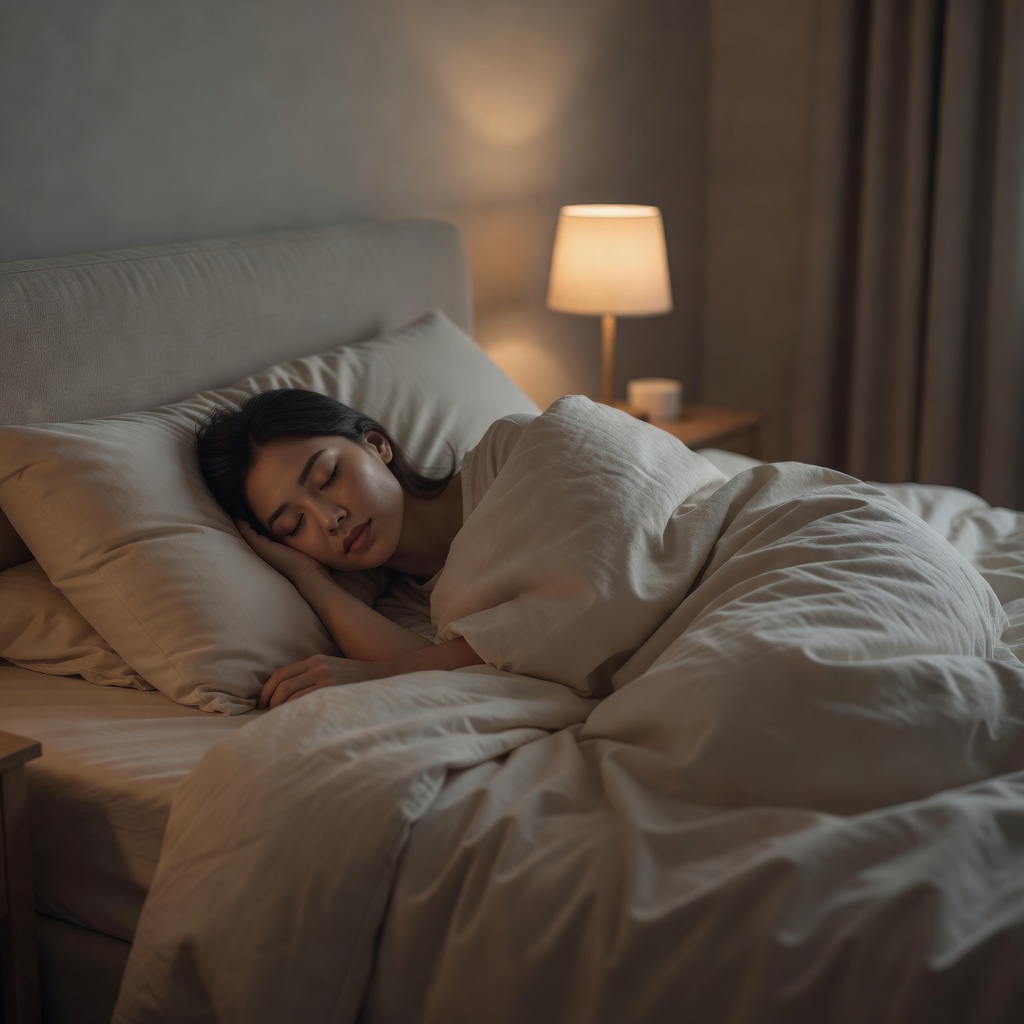
The Ultimate Performance Enhancer
Despite the massive industry built around supplements, high-tech gadgets, and complex training programs, the single most powerful recovery tool available is entirely free: sleep. Without adequate, high-quality sleep, the body cannot fully execute the physical adaptations triggered by exercise. During training, you are breaking down muscle tissue; during sleep, you are building it back stronger.
Failing to prioritize sleep results in accumulated fatigue, a weakened immune system, and an elevated risk of injury due to compromised motor control and connective tissue resilience.
The Physiology of Sleep Architecture
To understand why sleep is so critical, we must look at the different stages of the sleep cycle, specifically Deep Sleep (Slow-Wave Sleep) and REM (Rapid Eye Movement) Sleep.
Deep Sleep and Physical Repair
Deep sleep, occurring primarily in the first half of the night, is the stage where physical restoration peaks. During this phase, blood pressure drops, breathing stabilizes, and blood flow is directed away from the brain and into the muscles. Most importantly, the pituitary gland releases pulses of Human Growth Hormone (HGH). HGH is essential for tissue repair, muscle growth, and bone strengthening. A lack of deep sleep dramatically reduces HGH secretion, stalling your physical recovery.
REM Sleep and Central Nervous System (CNS) Recovery
REM sleep dominates the latter half of the night. While deep sleep rebuilds the physical structure of the body, REM sleep is crucial for neurological restoration. Complex motor patterns learned during training (like Olympic lifts or gymnastics movements) are consolidated into long-term memory during REM. Furthermore, a well-rested CNS is capable of recruiting muscle fibers more efficiently, leading to higher power output and strength execution the following day.
Optimizing Your Sleep Environment at Home
Improving sleep hygiene is the most effective way to guarantee you move seamlessly through the necessary sleep cycles. Creating a sanctuary for rest requires attention to light, temperature, and routine.
| Environmental Factor | Optimal Strategy |
|---|---|
| Temperature | Maintain a cool room, ideally between 16°C and 19°C (60°F–67°F). A drop in core body temperature initiates sleepiness. |
| Light Exposure | Use blackout curtains to eliminate street light. Dim all indoor lighting 90 minutes before bed to signal melatonin production. |
| Noise Control | Use a white noise machine or fan to mask sudden environmental sounds that could pull you out of deep sleep. |
| Digital Devices | Eliminate screens at least one hour before bed. Blue light emitted by phones and TVs directly suppresses melatonin. |
Pre-Sleep Recovery Routines
Transitioning from a high-stress workday or intense evening training session directly into bed rarely results in rapid sleep onset. A dedicated down-regulation routine helps transition the nervous system into a parasympathetic state.
Consider dedicating the last 20 minutes of your day to light static stretching, foam rolling, or focused breathing exercises (such as box breathing or the 4-7-8 method). Not only does this relieve mechanical tension from the day, but it fundamentally signals to your brain that the environment is safe, lowering cortisol levels and preparing the mind for rest.
Conclusion
Do not let your hard work in the gym or on the track go to waste through poor sleep habits. By respecting your circadian rhythm, optimizing your bedroom environment, and prioritizing consistent sleep schedules, you are utilizing the most robust, scientifically proven recovery protocol in existence.