Percussion Massage Therapy
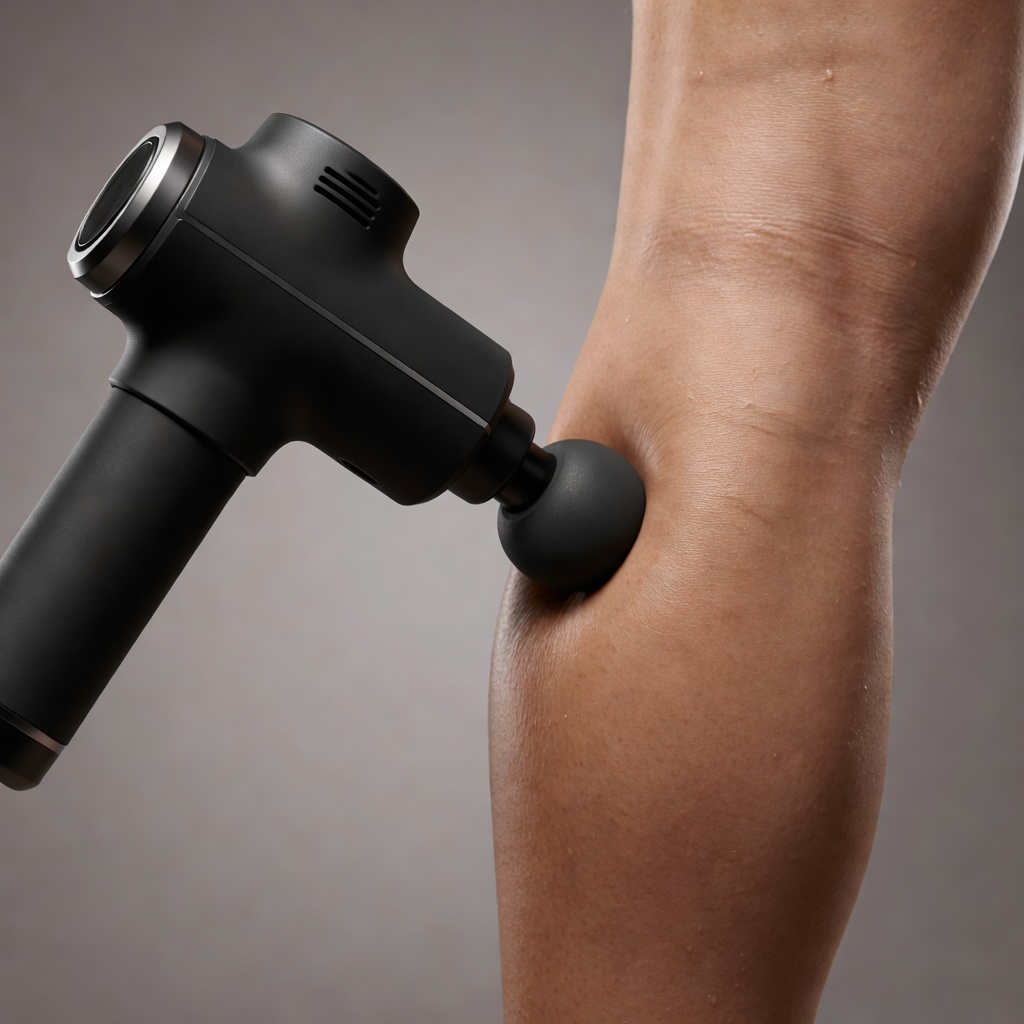
Understanding Percussive Therapy
Over the last decade, percussion massage devices—commonly known as massage guns—have moved from elite athletic training rooms directly into the home gym. Unlike traditional vibration therapy, which acts superficially on the skin, percussive therapy provides rapid, concentrated pulses of pressure deep into muscle tissue. This rapid striking action helps untangle muscle fibers, stimulate blood flow, and override pain signals sent to the brain.
The primary appeal of percussion massage lies in its efficiency. While a foam rolling session might take 15 to 20 minutes to thoroughly target the lower body, a high-quality massage gun can deliver similar circulatory and tension-relieving benefits to a muscle group in as little as two minutes.
Key Specifications: Amplitude, Frequency, and Stall Force
When selecting a massage device for home use or understanding how to maximize your current device, you must look at three critical engineering specifications.
Amplitude (Stroke Length)
Amplitude refers to how far the massage head extends and retracts with each strike. Most consumer devices range from 8mm to 16mm. A lower amplitude (8-10mm) feels more like intense vibration and is excellent for sensitive areas or relaxation. A higher amplitude (14-16mm) provides a "punching" sensation that can reach deeper muscle layers, making it preferable for larger athletes or dense muscle groups like the glutes and hamstrings.
Frequency (Speed)
Frequency is measured in percussions per minute (PPM). Devices generally offer ranges between 1700 and 3200 PPM. Lower frequencies are better for deep tissue work and recovery, as they allow the muscle time to respond to the strike. Higher frequencies are generally used for superficial warming of the muscle prior to exercise.
Stall Force
Stall force dictates how much physical pressure you can apply to the device before the motor stalls and stops moving. Devices with a low stall force (20-30 lbs) may stop completely if you press hard into a tight knot. Devices with a high stall force (40-60 lbs) allow you to apply significant body weight or arm strength to dig deeply into rigid tissues without the motor giving out.
Best Practices for Home Application
To safely integrate percussive therapy into your home fitness routine, avoid common pitfalls like over-application or striking bony prominences.
- Pre-Workout (Activation): Use a higher speed setting and lightly sweep over the target muscles for 30 seconds per muscle group. The goal is to stimulate blood flow and excite the nervous system, not to deeply massage the tissue.
- Intra-Workout: During rest periods, a very brief 10-15 second application can help prevent muscles from stiffening, though it should be kept light.
- Post-Workout (Recovery): Use a lower speed setting and apply more pressure. Spend 90 to 120 seconds on tight areas, moving the device slowly (about an inch a second). If you find a tender knot, hold the device over the area for 10-15 seconds rather than vigorously scrubbing back and forth.
Safety and Contraindications
While percussive therapy is largely safe, it must be applied correctly to avoid injury. Never apply a massage gun directly to the cervical spine (neck) or lumbar spine. Avoid bony joints such as the kneecap, ankle bones, and elbow joints, as striking bone can cause bruising or exacerbate joint issues.
Additionally, individuals with deep vein thrombosis (DVT), severe neuropathy, or those taking blood-thinning medications should consult with a physician before using heavy percussive therapy devices, as the aggressive nature of the massage can dislodge clots or cause heavy bruising.
Conclusion
Percussion massage therapy is a highly efficient tool for managing muscular tension and expediting recovery. By understanding the mechanical differences between devices and applying the appropriate speed and pressure for your specific goals, you can greatly enhance your tissue health and overall mobility from the comfort of your home.