Active Stretch Routines
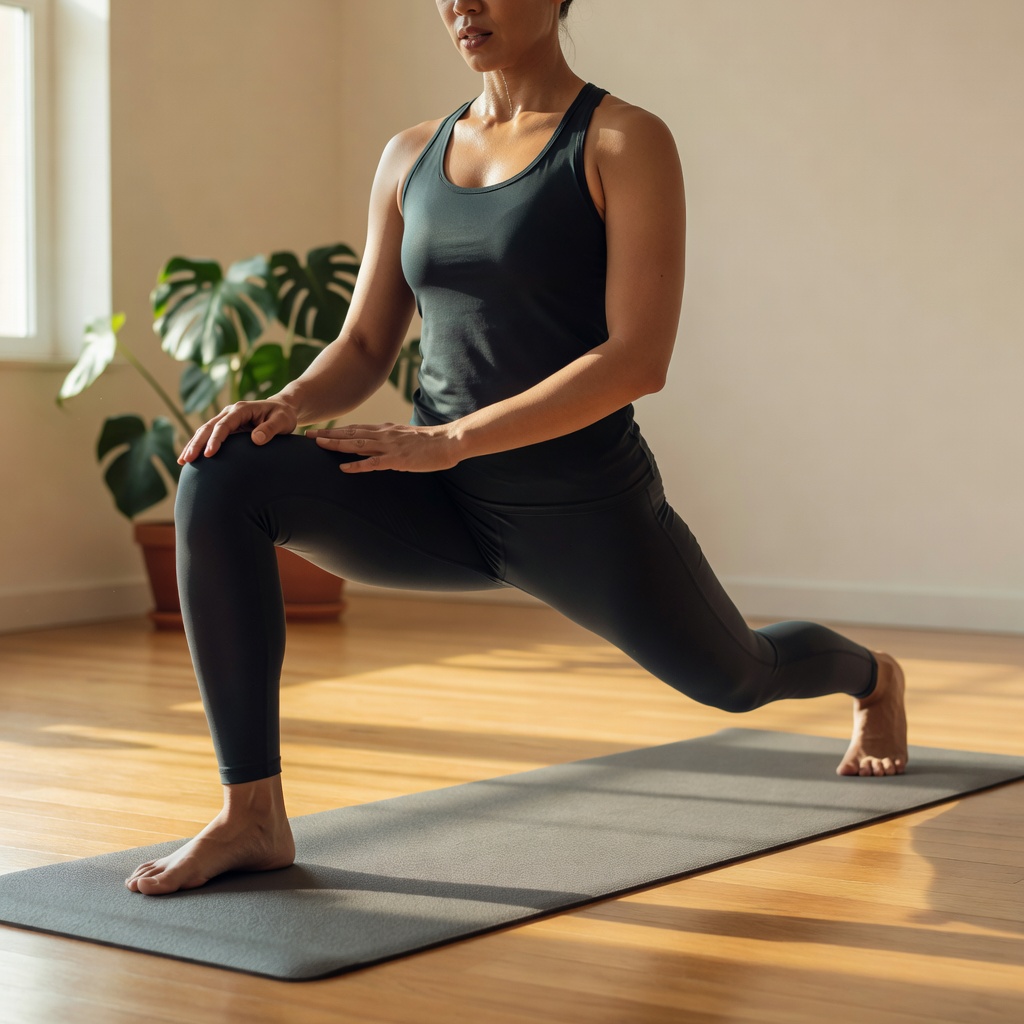
The Shift from Passive to Active Flexibility
For decades, fitness protocols heavily emphasized static stretching—holding a challenging posture for 30 to 60 seconds without moving. While static stretching has its place in a post-workout recovery setting, modern sports science places a heavy emphasis on active stretching. Active stretching involves moving a joint through its full range of motion using the strength of the opposing muscle group, rather than relying on body weight, gravity, or external leverage.
Active stretching accomplishes two crucial goals simultaneously: it increases the resting length of the target muscle, and it builds functional strength in the opposing muscle. This synergy translates to better joint stability, a lower risk of injury, and greater motor control in deep ranges of motion.
Dynamic Warm-Ups: Preparing the Body
Before any strenuous physical activity, dynamic stretching should be your go-to protocol. The objective is to elevate the heart rate, lubricate the joints with synovial fluid, and groove the movement patterns you are about to perform.
Sample 5-Minute Dynamic Routine
- Leg Swings (Forward/Back): 10 to 15 repetitions per leg. Stand tall, hold a stable surface for balance, and swing the leg forward and backward, gradually increasing the height of the swing.
- Walking Lunges with Torso Twist: 10 reps total. Step into a lunge and twist your torso toward the front leg. This opens up the hip flexors while mobilizing the thoracic spine.
- Arm Circles and Band Pull-Aparts: 15 repetitions each. Excellent for activating the rotator cuff and opening up the chest before upper body exercises.
- World's Greatest Stretch: 5 repetitions per side. A complex movement starting in a plank, bringing one foot outside the hand, and rotating the same-side arm toward the ceiling.
Active Isolated Stretching (AIS)
Active Isolated Stretching is a highly structured method created for athletes but deeply beneficial for home mobility practices. The premise is to hold a stretch for no more than two seconds, release, and repeat. By limiting the stretch to two seconds, you avoid triggering the stretch reflex (myotatic reflex), a protective mechanism that causes muscles to contract when they are rapidly pulled.
To perform AIS for the hamstrings, for example, lie on your back. Keep one leg straight on the floor. Contract the quadriceps of the other leg to actively lift it toward your head until you feel a stretch in the hamstring. Hold for two seconds, gently assist the end range with your hands or a rope, and then lower the leg back down. Repeat this for 10 to 12 repetitions.
Post-Workout Static Stretching
After your workout, when your muscles are fully warmed up and pliable, static stretching becomes highly effective for down-regulating the nervous system and easing the body back into a parasympathetic (rest and digest) state. During static stretching, focus heavily on deep diaphragmatic breathing.
Essential post-workout stretches include the Couch Stretch for the hip flexors and quadriceps, the Pigeon Pose for the glutes and external rotators, and a doorway stretch for the pectoral muscles. Aim to hold these for 45 to 60 seconds each, letting go of tension with every exhalation.
Integrating Mobility into Daily Life
You do not need to wait for a grueling workout to benefit from stretching. Integrating short, active stretching routines into your daily schedule—especially if you work a sedentary desk job—can mitigate postural decay. Setting a timer to perform 3 minutes of thoracic extensions and hip openers every two hours can significantly reduce lower back and neck discomfort.
Conclusion
Flexibility is not just about how far you can push a joint; it is about how well you can control it. By combining dynamic warm-ups, active isolated stretching for targeted mobility, and static holds for recovery, you create a robust, resilient physical foundation capable of handling the demands of training and daily life.