Cold Water Immersion
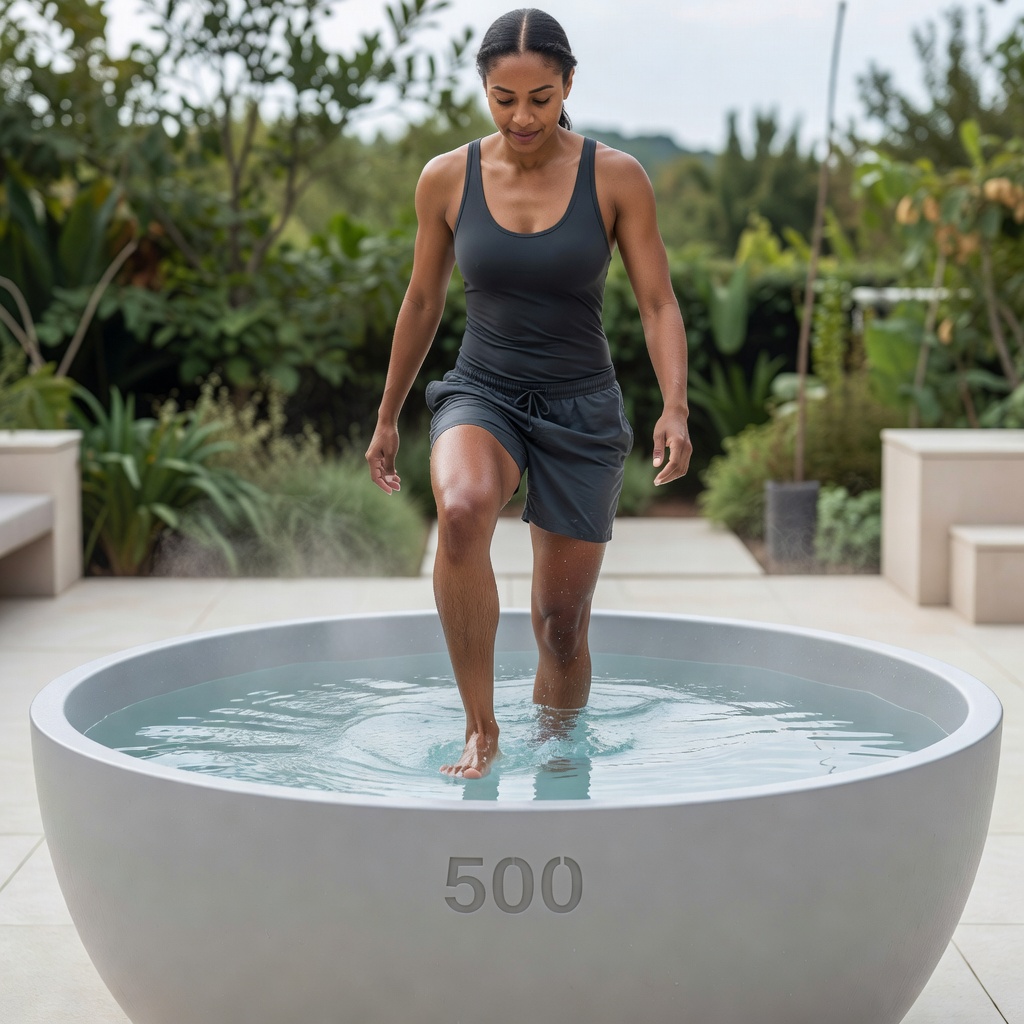
The Science of Cryotherapy at Home
Cold Water Immersion (CWI), often referred to as ice bathing or cold plunging, has surged in popularity among fitness enthusiasts looking to optimize recovery and build mental resilience. But what actually happens in the body when you expose it to near-freezing temperatures?
Upon entering cold water, the body immediately undergoes aggressive vasoconstriction. Blood vessels in the extremities constrict, forcing blood toward the vital organs in the core. This process acts as a systemic flush; it aids in clearing out metabolic waste products (like lactic acid) that accumulate in muscle tissue during intense exercise. Once you exit the cold and begin to warm up, vasodilation occurs, flushing the muscles with fresh, oxygen-rich blood, which accelerates the healing process.
Physical and Neurological Benefits
The benefits of CWI extend beyond simple muscle recovery, heavily impacting the nervous and endocrine systems.
- Inflammation Reduction: Cold exposure significantly dampens the inflammatory response. While some inflammation is necessary for muscle growth, excessive inflammation from extreme endurance events can halt recovery. CWI minimizes secondary muscle damage.
- Dopamine and Norepinephrine Release: The shock of the cold stimulates a massive release of neurotransmitters. Norepinephrine improves focus and vigilance, while dopamine levels can increase up to 250%, providing a prolonged elevation in mood and energy.
- Metabolic Rate and Brown Fat: Frequent exposure to cold stresses the body into generating heat (thermogenesis). Over time, this increases the density of brown adipose tissue (BAT), a type of fat that burns calories to generate heat, thus improving overall metabolic efficiency.
Protocols: Temperature and Duration
The saying "more is better" does not apply to cold water immersion. Prolonged exposure to extreme cold poses real risks, including hypothermia. Adhering to structured protocols is critical for safety and efficacy.
The Target Temperature
For most therapeutic benefits, water temperature should be between 10°C and 15°C (50°F to 59°F). Extreme temperatures closer to freezing (0°C to 5°C) will decrease the amount of time you can safely remain in the water and increase the mental barrier to entry, often without providing significant additional physiological benefits over the 10°C range.
The Duration Target
A general guideline is to accumulate roughly 11 minutes of cold exposure per week, broken up into multiple sessions. A standard session should last between 2 to 5 minutes. If you find yourself shivering uncontrollably in the water, it is time to get out.
Hypertrophy Warning
While CWI is excellent for recovery from aerobic activities (running, cycling, sports), timing is crucial for strength athletes. Plunging into cold water immediately after a hypertrophy-focused weightlifting session can blunt the inflammatory signaling required for muscle growth. If your goal is to build muscle mass, it is advisable to wait at least 4 to 6 hours post-workout before cold plunging, or to do it on rest days.
Setting Up a Home Plunge
Setting up CWI at home can range from inexpensive DIY solutions to premium automated units.
- The Bathtub Method: The simplest entry point. Fill your home bathtub with cold tap water and add 2 to 3 bags of commercial ice. This is cost-effective for occasional use but tedious for daily practice.
- Converted Chest Freezers: A popular DIY method involves sealing a deep chest freezer and attaching a temperature controller and ozone generator for sanitation. It maintains a constant temperature without the need to buy ice daily.
- Dedicated Cold Plunges: Premium acrylic or insulated tubs equipped with powerful chillers and filtration systems. While a high initial investment, they offer the ultimate convenience for serious practitioners.
Conclusion
Cold water immersion is a potent tool for modulating inflammation, enhancing mood, and speeding up systemic recovery. By respecting the cold, starting with moderate temperatures, and focusing on breath control, you can safely integrate CWI into your home recovery routine and unlock its myriad benefits.